
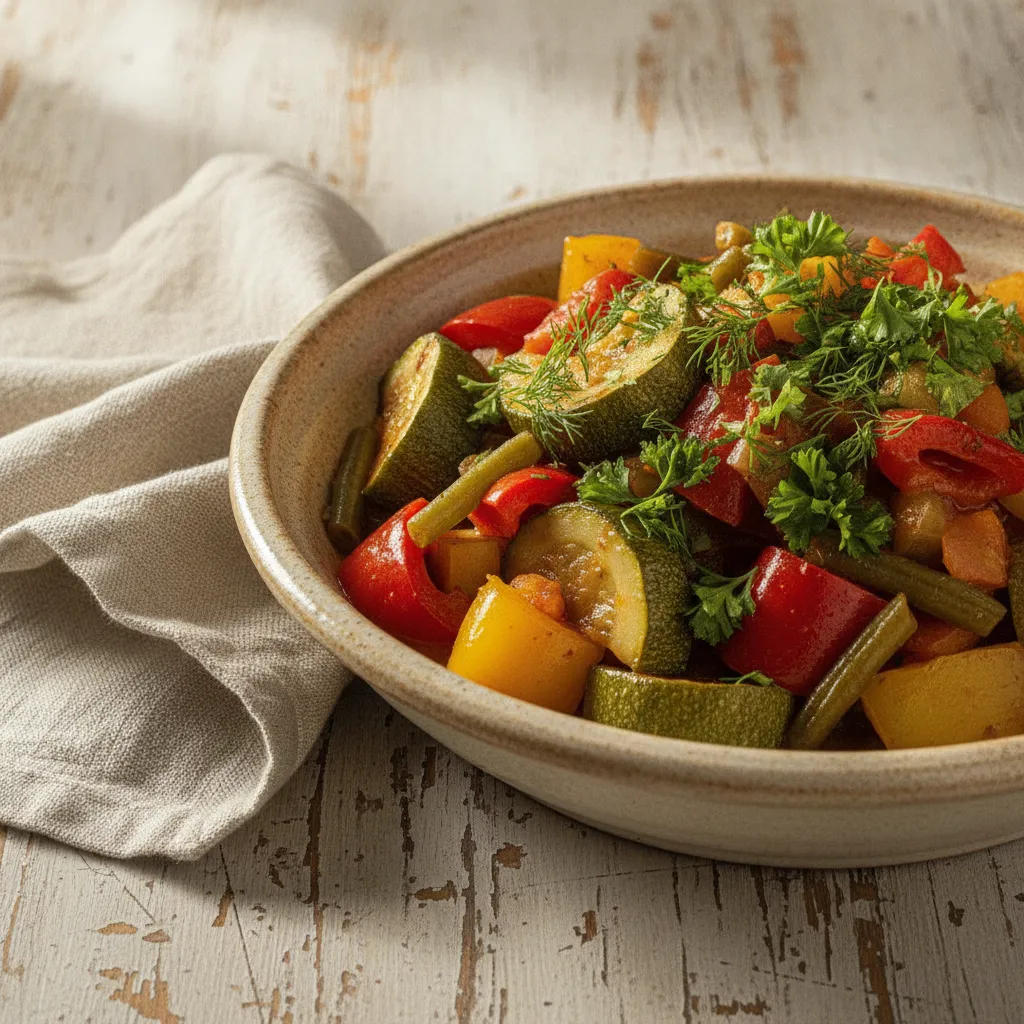
Light Romanian Summer Vegetable Ghiveci
A light yet hearty Romanian vegetable stew (ghiveci) packed with seasonal produce like zucchini and bell peppers. It's a perfect low-calorie, high-protein lunch that's both satisfying and delicious.
- olive oil 1 tbsp
- boneless, skinless chicken breast, cut into bite-sized pieces 400g
- large onion, chopped 1
- garlic, minced 3 cloves
- medium carrots, sliced 2
- red bell pepper, chopped 1
- large zucchini, chopped 1
- can of chopped tomatoes 400g
- vegetable broth 200ml
- bay leaf 1
- fresh dill, chopped 1/4 cup
- fresh parsley, chopped 1/4 cup
- salt and fresh black pepper to taste
- 1
Pat the chicken pieces dry and season them generously with salt and pepper.
- 2
Heat the olive oil in a large pot or Dutch oven over medium-high heat. Add the chicken in a single layer (work in batches if needed) and sear until golden brown on all sides. Remove the chicken with a slotted spoon and set it aside.
- 3
Reduce the heat to medium, add the chopped onion to the same pot, and sauté for 5-7 minutes until soft and translucent, scraping up any browned bits from the chicken.
- 4
Add the minced garlic and sliced carrots, cooking for another 2 minutes until the garlic is fragrant.
- 5
Stir in the chopped red bell pepper and zucchini, and cook for about 5 minutes until they begin to soften.
- 6
Pour in the can of chopped tomatoes and vegetable broth. Add the bay leaf and return the seared chicken to the pot. Season with salt and pepper.
- 7
Bring the stew to a simmer, then reduce the heat to low, cover, and let it cook for 15-20 minutes, or until the vegetables are tender and the chicken is cooked through.
- 8
Remove the pot from the heat and discard the bay leaf. Stir in the fresh dill and parsley, taste, and adjust seasoning if necessary before serving.
There are certain smells that instantly take me back to my grandmother’s kitchen in the middle of July. The sharp, clean scent of fresh dill is one of them. My mum made a version of this ghiveci every summer, a vibrant stew that used up whatever was bursting from the garden. It’s less a strict recipe and more of a beautiful, chaotic celebration of the season. The name itself, ghiveci, comes from the Turkish word for an earthenware pot, and it speaks to the dish’s rustic, one-pot nature.
This isn’t my mum’s exact recipe, though. Hers was often richer, sometimes made with pork or a more generous glug of oil. My version is lighter, adapted for the way I eat now. I use lean chicken breast for a solid protein kick and just enough olive oil to build a base of flavour without making it heavy. It’s the kind of meal that fills you up properly but leaves you feeling energised, not sleepy. The trick I learnt the hard way is to let the vegetables keep a little bit of their texture; you want a stew, not a mash.
The real magic happens when you let it simmer. The sweetness of the carrots and peppers melds with the acidity of the tomatoes, and the kitchen fills with that comforting, herby aroma. It’s simple, honest food that relies on the quality of its ingredients rather than complicated techniques.
How I like to serve Ghiveci
This stew is wonderful all on its own, a complete meal in a bowl. But for a little extra something, I often add a spoonful of thick Greek yogurt or soured cream on top. The cool creaminess is a perfect contrast to the warm, savoury stew. If I have some good crusty bread on hand, it’s essential for mopping up every last bit of the delicious sauce. A final, generous sprinkle of fresh dill right before serving makes all the colours and flavours pop.
Variations and storing leftovers
This recipe is incredibly forgiving, so feel free to make it your own. For a vegetarian version, leave out the chicken and add a can of rinsed chickpeas or white beans for the last 10 minutes of cooking. You can also swap the vegetables based on what you have, eggplant, green beans, or a few small new potatoes are all fantastic additions, though they will change the nutritional profile.
As for leftovers, this is one of those dishes that I think gets even better on the second day as the flavours have more time to mingle. Store it in an airtight container in the fridge for up to 3 days. It reheats perfectly on the stovetop over a gentle heat or in the microwave.
 lunch
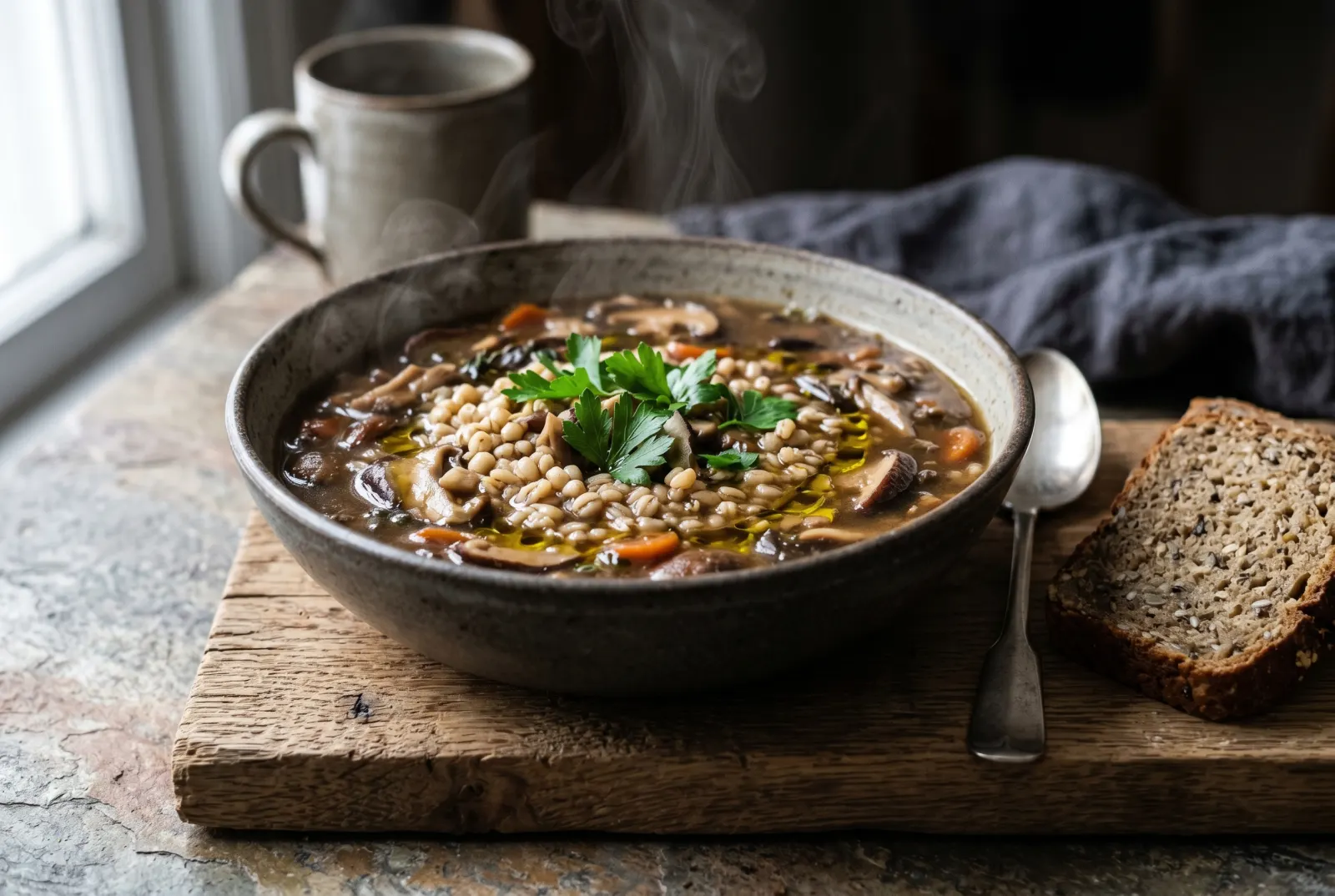
lunch Pearl Barley & Mushroom Soup
A thick, warming Eastern European soup with pearl barley, chestnut mushrooms, dried porcini, and aromatic vegetables. 195 kcal per serving, satisfying and completely plant-based.
 lunch
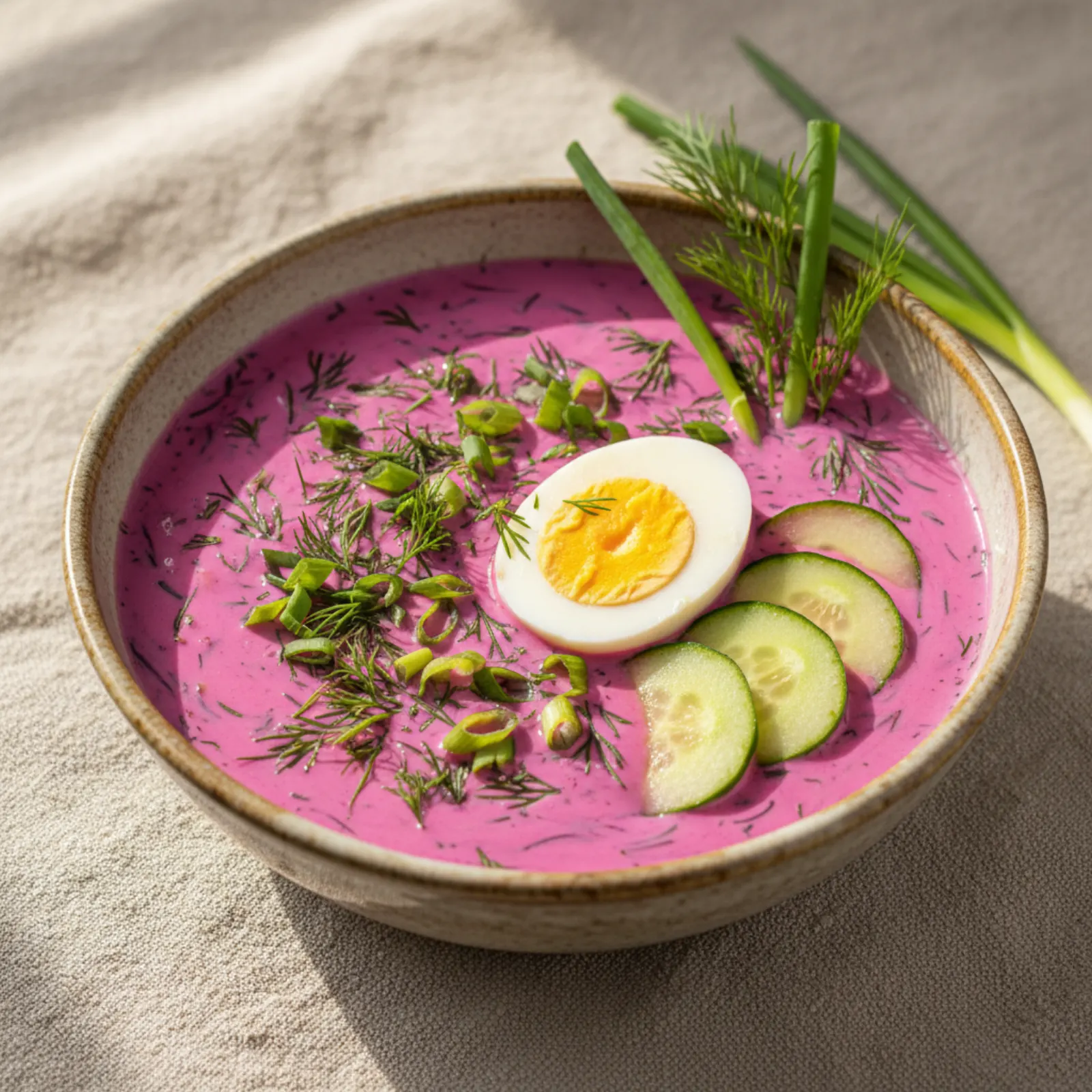
lunch Belarusian Kholodnik – A Chilled Pink Beet & Kefir Soup for Summer Days
This vibrant Belarusian chilled beet soup, known as Kholodnik, is made with kefir, fresh dill, and crunchy cucumber. It's a refreshing, low-calorie meal packed with probiotics to support gut health.
 lunch
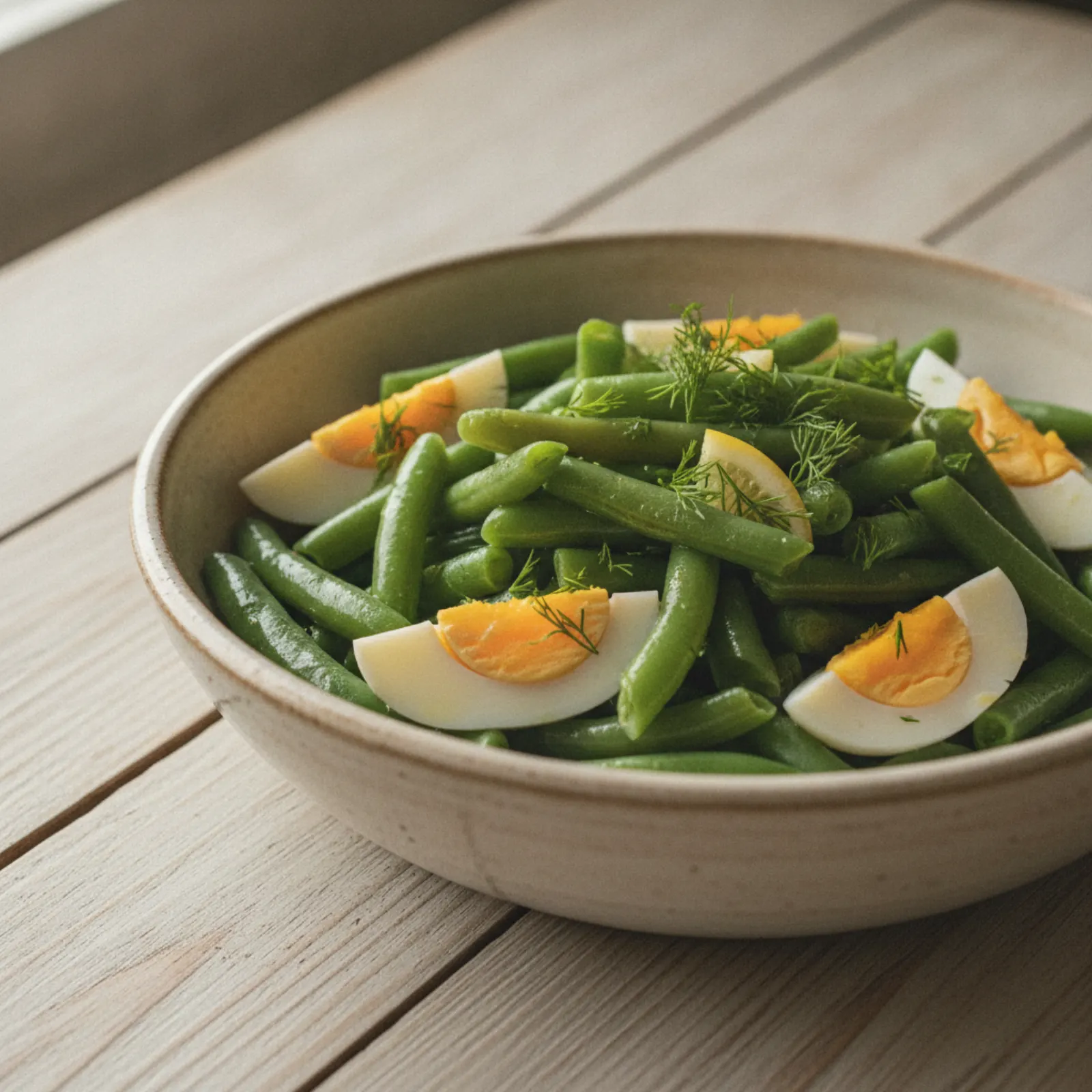
lunch Bulgarian Green Bean & Egg Salad (Salata ot Zelen Fasul s Yaitsa)
This classic Bulgarian salad combines tender green beans and hard-boiled eggs in a creamy, garlicky yogurt dressing. It's a satisfying, high-protein lunch that's perfect for staying full and managing your weight.