
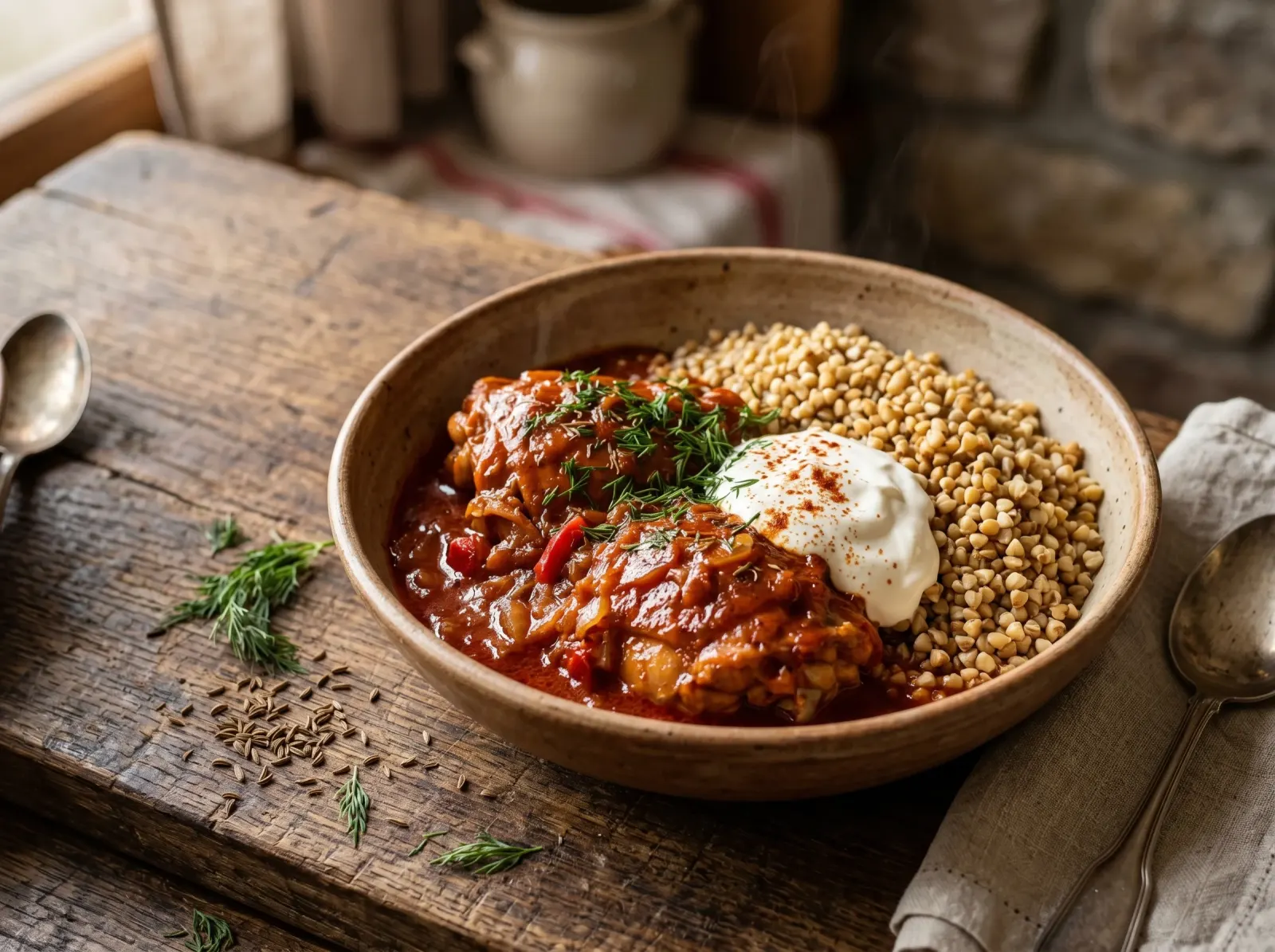
Kefir Chicken Paprikash with Buckwheat
The Hungarian classic, made lighter. Tender chicken thighs in a deep-red paprika kefir sauce, served over nutty buckwheat. Under 400 calories, 38g protein.
- chicken thighs, skinless, bone-in 400g
- full-fat kefir 120ml
- white onion, finely diced 1 medium
- red bell pepper, diced 1 medium
- garlic, minced 2 cloves
- sweet smoked paprika 2 tbsp
- hot paprika ½ tsp
- chicken stock (low-sodium) 200ml
- olive oil 1 tsp
- whole buckwheat groats 160g dry
- salt and black pepper to taste
- fresh dill, to serve 1 tbsp
- 1
Cook buckwheat: rinse, then simmer in 320ml water with a pinch of salt for 15–18 minutes until all water is absorbed. Cover and rest 5 minutes.
- 2
Heat olive oil in a wide pan over medium heat. Add onion and bell pepper. Cook 8 minutes, stirring occasionally, until soft and golden.
- 3
Push vegetables to the side. Add garlic, sweet paprika, and hot paprika. Cook in the oil for 60 seconds — this blooms the paprika and is the key flavour step.
- 4
Add chicken thighs and stock. Stir to coat chicken in the paprika base. Cover and simmer on low for 25–30 minutes until chicken is cooked through and sauce has reduced.
- 5
Remove from heat. Let cool 2 minutes. Stir in kefir slowly and steadily until sauce is creamy and smooth. Season with salt and pepper.
- 6
Serve over buckwheat. Garnish with fresh dill.
Chicken paprikash, paprikás csirke in Hungarian, is one of the dishes that made Hungarian cooking famous across Central Europe. The classic version is rich with sour cream and served with small egg dumplings called nokedli. This lighter take swaps the sour cream for kefir and the dumplings for buckwheat, keeping the creamy, tangy character while cutting a good share of the calories.
The flavour comes from the paprika, so it’s worth giving it proper attention. Blooming the spice in hot fat before any liquid goes in releases its colour and aroma into the oil, and the pan turns a deep, glossy red. Keep the heat moderate at this point and move quickly, though.
Paprika contains natural sugars and scorches easily, and burnt paprika turns bitter in a way you can’t fix.
Kefir is the part people worry about, because it can split if it’s boiled. The trick is to take the pan off the heat before stirring it in, then return it to the lowest possible heat just to warm through. Treated gently, it gives the sauce the same silky, slightly sour finish that sour cream does, with more protein and far less fat. I use bone-in chicken thighs because they stay juicy through the simmer and flavour the sauce as they cook. Breast meat works if you prefer it, but it dries out faster, so take it off the heat as soon as it’s cooked through. Buckwheat might seem an unusual partner for a Hungarian dish, but its nutty flavour stands up well to the paprika, and it soaks up the sauce beautifully.
Paprikash is even better the next day, once the flavours have settled. Keep it in the fridge for up to three days and reheat it gently, adding a splash of stock if the sauce has thickened. Avoid bringing it back to a boil, or the kefir may split. For a traditional finish, serve it with a scattering of fresh dill and a little extra kefir spooned over the top.
Frequently asked questions
How do I stop the kefir from curdling?
Take the pan off the heat, whisk a spoonful of the hot sauce into the kefir first, then stir it back in. Never boil after adding kefir.
Can I use chicken breast instead of thighs?
Yes, shorten the simmer so it doesn't dry out. Thighs stay juicier for the calories.
Which paprika matters here?
Sweet smoked paprika does the heavy lifting, with a pinch of hot. Use a fresh jar, stale paprika tastes of dust.
 dinner
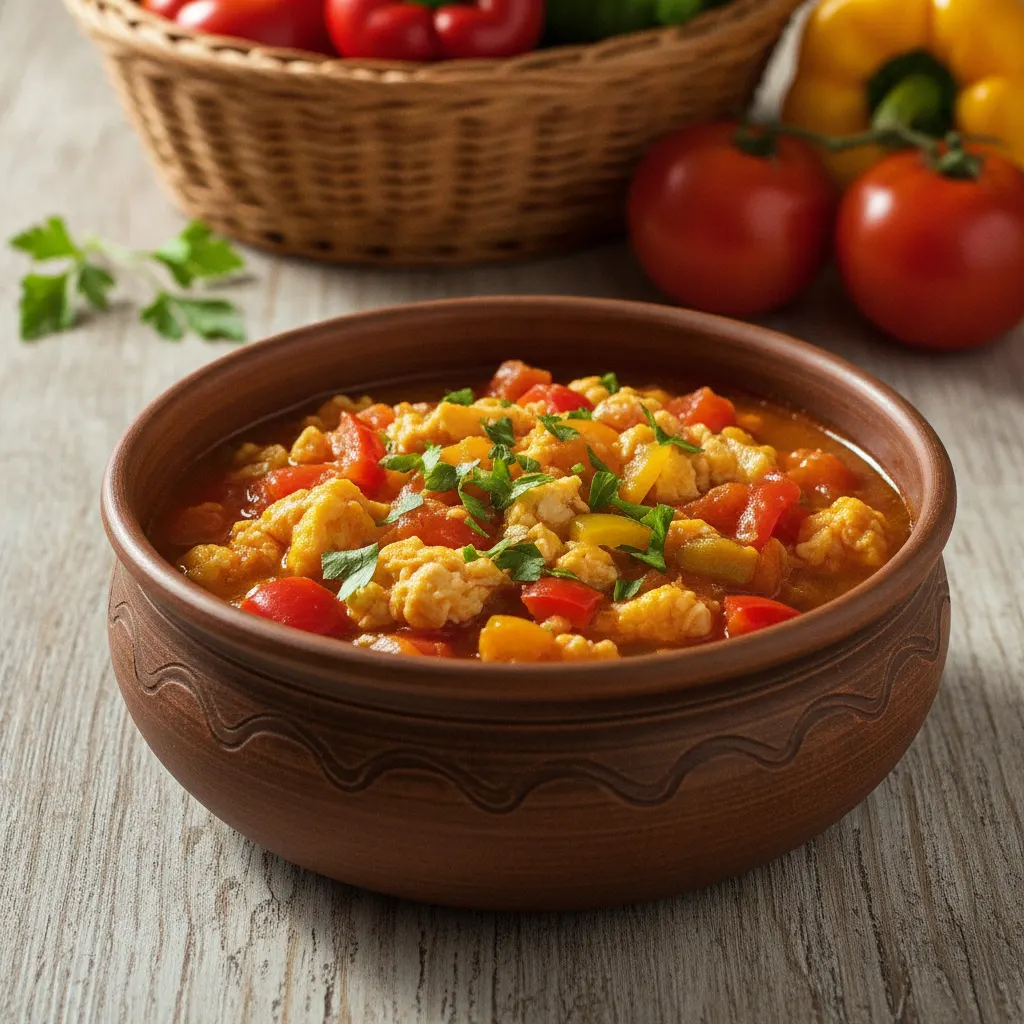
 Healthy Summer Lecsó with Bell Peppers and Eggs
This vibrant Hungarian-style vegetable stew, Lecsó, combines sweet bell peppers and ripe tomatoes, all topped with protein-rich eggs for a complete meal. It's a perfect low-calorie, high-fibre dinner that captures the essence of summer.
 dinner
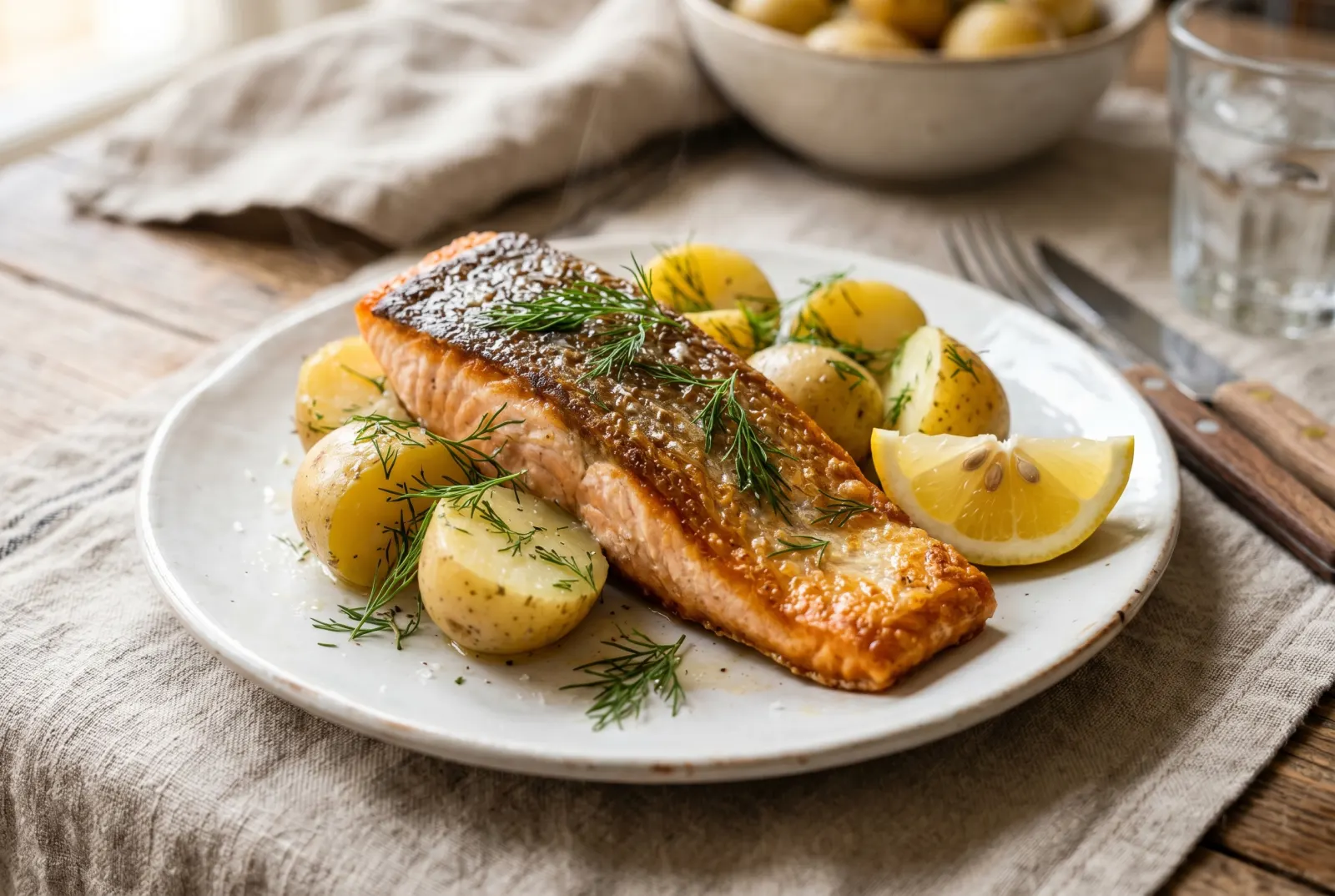
 Baked Salmon with Dill & New Potatoes
A simple, elegant dinner, salmon fillet baked with fresh dill, garlic and lemon over halved new potatoes. 380 kcal, high protein, done in 30 minutes.
 snack
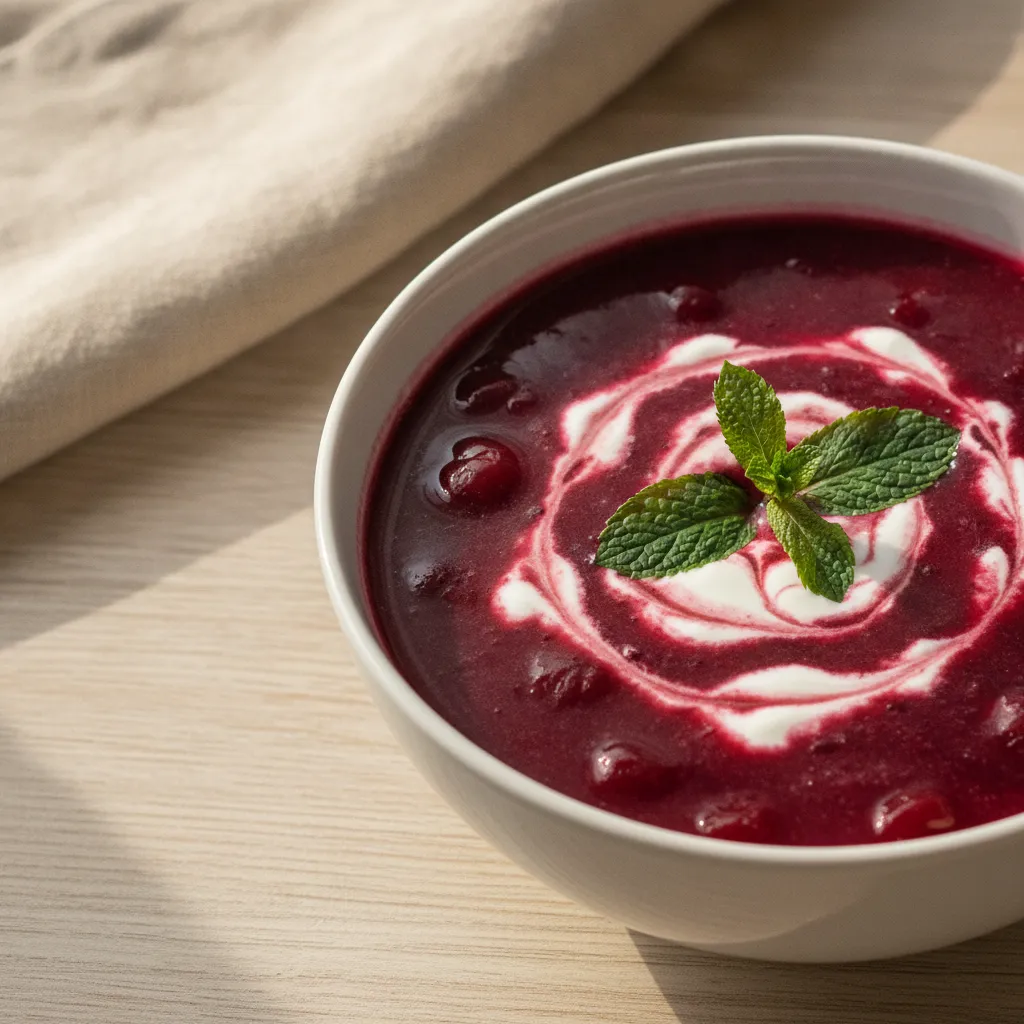
snack Light Hungarian Chilled Sour Cherry Soup (Meggyleves)
A refreshing Hungarian chilled sour cherry soup, lightened up with kefir and Skyr for a significant protein boost. This low-calorie summer classic is the perfect healthy snack to beat the heat.
 dinner
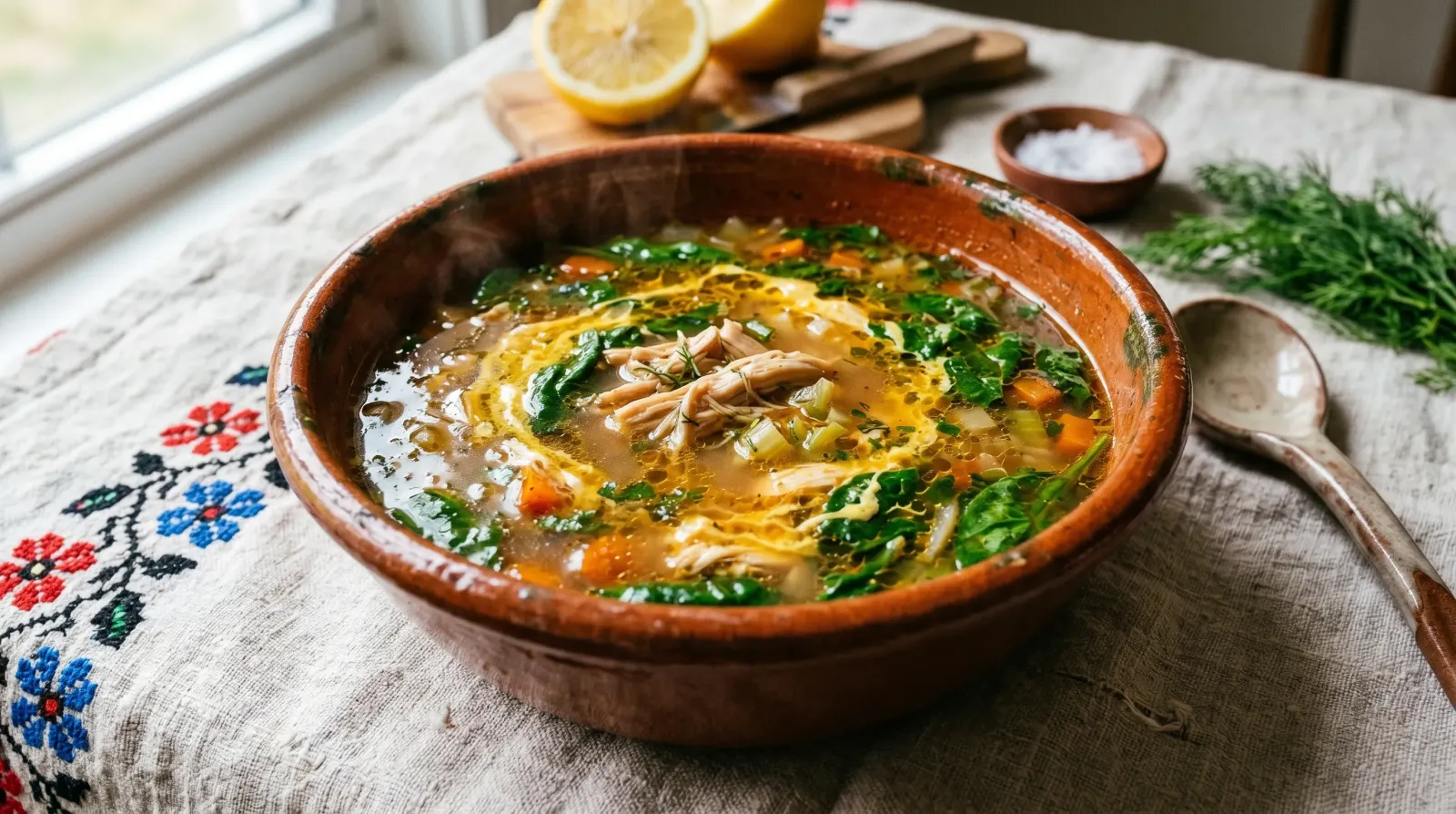
 Romanian Chicken and Spinach Ciorbă
A tangy, nourishing Romanian sour soup made with tender chicken, fresh spinach, and a lemon-egg finish, packed with protein and iron to fuel a balanced, light dinner.
 dinner
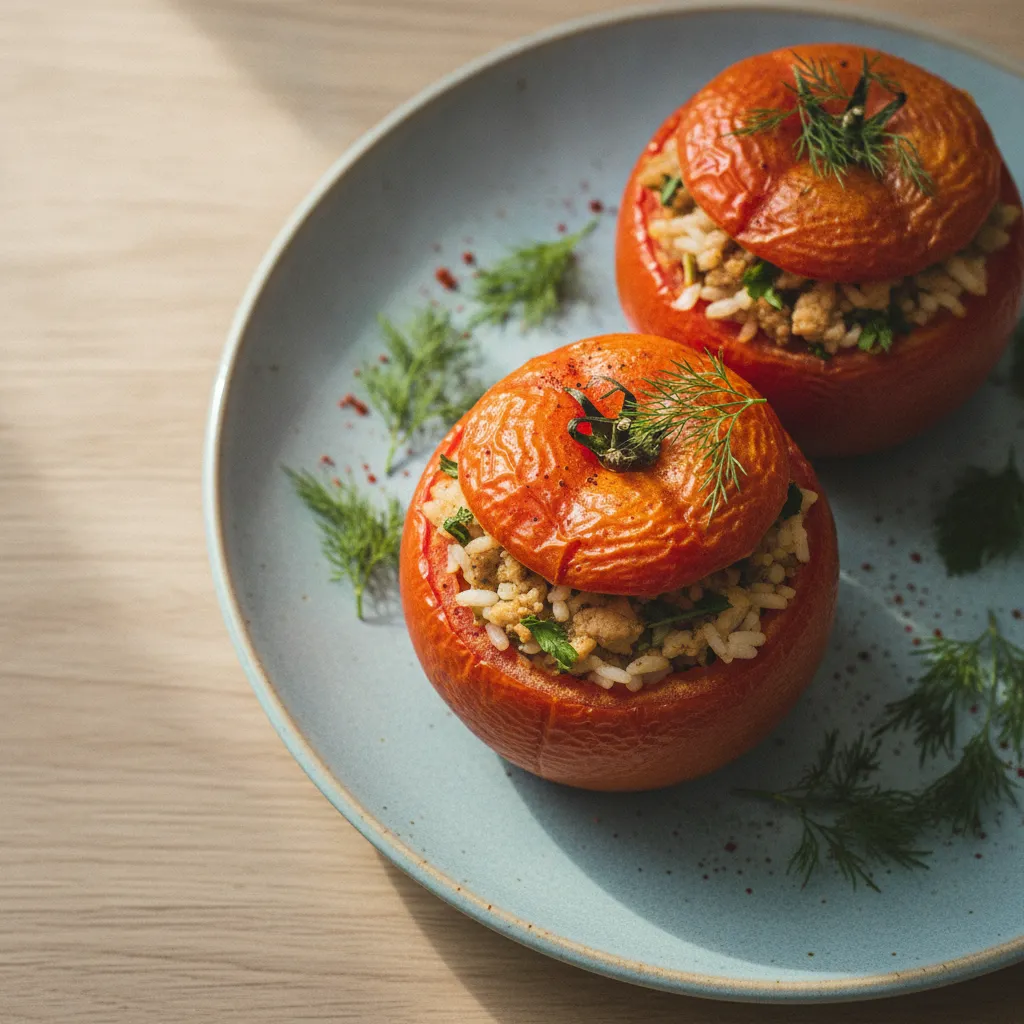
 Light Balkan Stuffed Tomatoes with Lean Ground Chicken & Summer Herbs
This recipe reimagines a Balkan classic, using lean ground chicken and a fragrant mix of summer herbs for a lighter, protein-packed meal. It's a fantastic way to enjoy summer's best produce without the extra calories.
 dinner
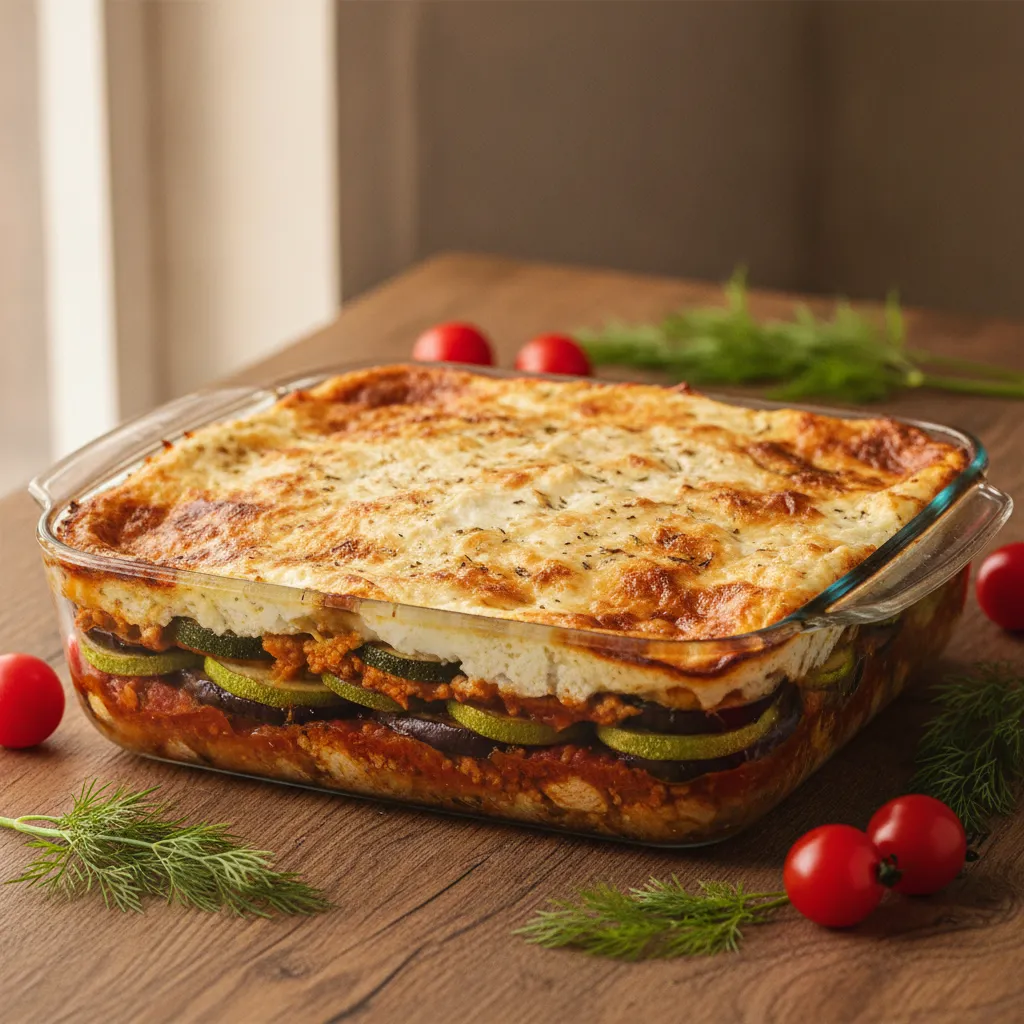
 Light Balkan Zucchini & Eggplant Moussaka
This recipe reimagines the classic moussaka with layers of tender zucchini, eggplant, and lean chicken, topped with a light yogurt sauce. It's a satisfying, protein-packed dinner that's surprisingly low in calories.